


Key takeaways from COP30
COP30 may have fallen short on a firm fossil fuel phase-out, but it marked a turning point for forests and reforestation.
NatureCo’s Zak Tyler was in Belém meeting with project investors and stakeholders, public sector leaders and fellow developers. Here are his key takeaways from COP30:
▸ While the final COP30 mutirão cover decision didn’t set a timeline for phasing out fossil fuels, it did commit to halting and reversing deforestation and forest degradation by 2030 – recognising forests as critical greenhouse gas sinks.
▸ The Tropical Forest Forever Fund (TFFF) surged ahead, reaching ~US$6.5–7B in pledges for standing tropical forests, with at least 20% committed to Indigenous Peoples & Local Communities – a major signal that long-term forest finance is scaling.
▸ ARR developers are moving from start-up to scale-up. Several native reforestation players announced record new investments and offtakes at COP30, showing strengthening demand for high-integrity restoration.
▸ Jurisdictional momentum accelerated. Federal and state governments advanced new restoration and ARR programs and broadened concession pathways, opening larger, more contiguous areas for implementation. States like Mato Grosso continued progressing jurisdictional REDD+ arrangements.
▸ Finance is flowing. BNDES expanded concessional climate lending through Fundo Clima, mobilising R$8.84B for restoration developers, providing vital support during the pre-issuance phase of carbon projects.
▸ Backed by BNDES and Banco Bradesco, Brazil’s new carbon standard Ecora launched, aiming to streamline validation and align with the emerging compliance market. Early feedback is mixed, but it reflects strong national intent to build domestic carbon infrastructure.
▸ COP30’s new Embrapa AgriZone brought producers, agribusiness and academic sectors together to highlight regenerative practices, agroforestry systems and emerging green technology, reinforcing Brazil’s potential to lead a nature positive bioeconomy.
One message stood out from the cross-sector collaboration across COP30: climate is no longer an ESG side project. It is a co-driver of Brazil’s economy reshaping investment, rural incomes and export competitiveness for the decades ahead.
Want to know more?
Get in touch with NatureCo today to find out more about how we can work together.

Explore more news
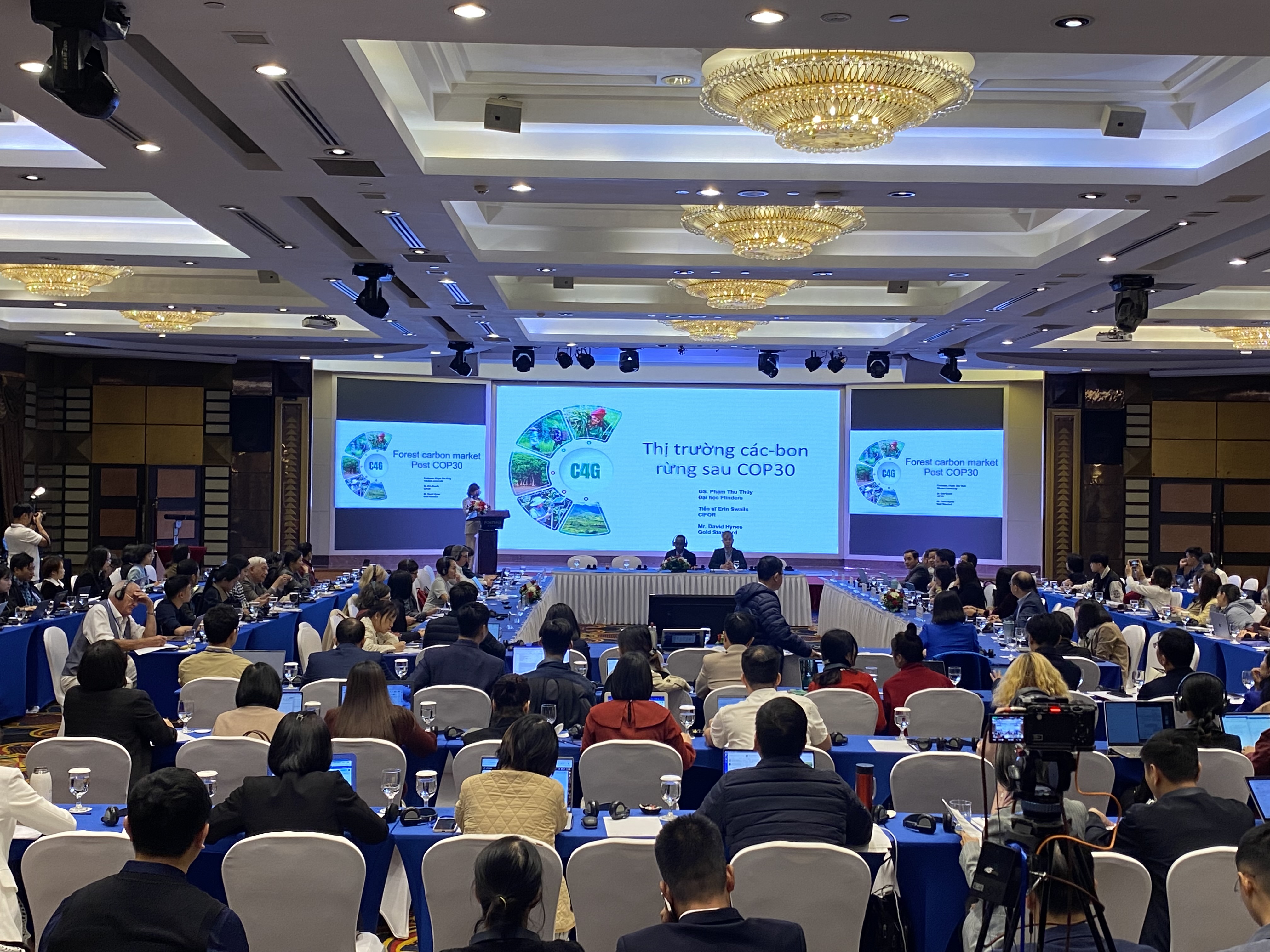
NatureCo shares global insights at Vietnam Carbon Market Readiness Conference
NatureCo was delighted to take part in the Vietnam Carbon Market Readiness Conference, sharing insights from our experience across the global nature-based carbon market.

Embedding nature into climate action
Find out how NatureCo embeds nature outcomes into our carbon projects to create deeper impact.
Key takeaways from the Brazilian Climate and Carbon Conference
As momentum builds for COP30, here are NatureCo’s key takeaways from the Brazilian Climate and Carbon Conference in São Paulo.